✨ Keep It Clean | Why Fibre Optic Cable Ends Must Be Spick & Span ✨
Discover How Clean Fibre Optic Cable Ends Ensure Top Network Performance & Reliability
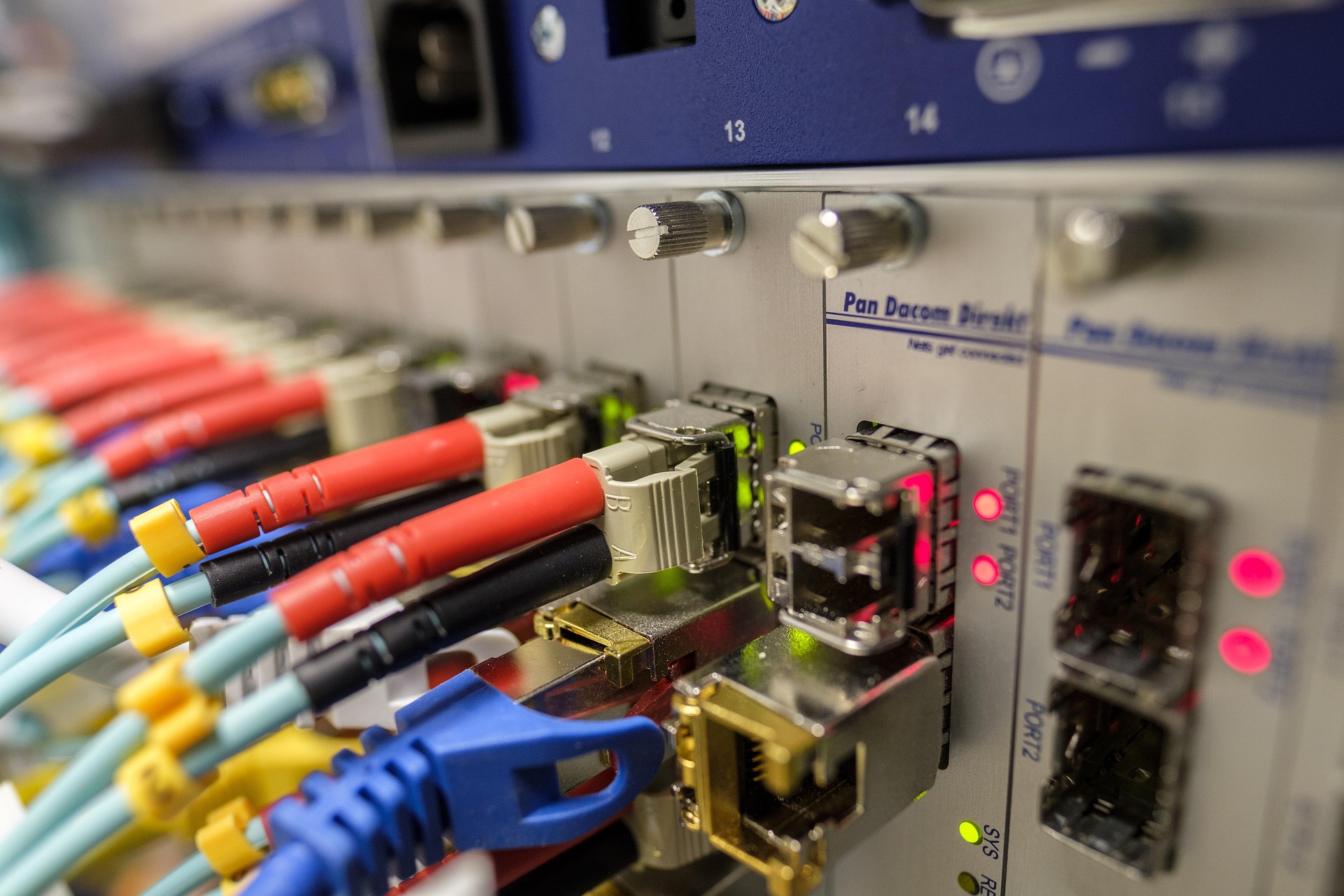
Fibre optic networks deliver high-speed, high-performance data transmission with minimal interference. But there’s a catch—if the fibre optic cable ends are dirty, even the most advanced network will struggle. 🚦 Let’s explore why cleaning fibre optic connectors is crucial and how it affects signal integrity, performance, and long-term reliability.
🌟 The Importance of Cleaning Fibre Optic Cable Ends
1. Maintaining Signal Integrity
Fibre optics rely on light transmission through thin glass fibres. Any dust, oil, or debris scatters or blocks the light, leading to signal degradation. In high-speed networks, even a small contaminant can cause:
✅ Slower speeds
✅ Increased latency
✅ Packet loss & retransmissions
Clean connectors ensure optimal performance with clear, uninterrupted signal flow.
2. Preventing Signal Loss & Attenuation
Contaminants cause back reflection and absorption, leading to signal attenuation (weakening of the signal over distance). This results in:
❌ Dropped connections
❌ Poor data integrity
❌ Increased error rates
Keeping fibre ends clean and free from obstructions prevents these transmission issues.
3. Avoiding Costly Downtime
Dirty fibre optic connectors are a common culprit behind network failures. If contaminants cause intermittent signal drops, troubleshooting becomes a nightmare. This can lead to:
⏳ Lengthy outages affecting business operations
💸 Expensive repairs to replace damaged connectors
🔄 Unnecessary troubleshooting due to misdiagnosed issues
Routine cleaning prevents these problems before they disrupt the network.
4. Protecting Equipment & Prolonging Lifespan
Contaminants don’t just degrade performance—they can physically damage fibre optic components. When dust or debris is trapped between connectors:
⚠️ It scratches fibre end faces when connected/disconnected
⚠️ It grinds particles into the fibre core, causing permanent defects
⚠️ Over time, it reduces network reliability & increases costs
Preventing dirt buildup extends the life of fibre optic infrastructure and reduces the need for expensive replacements.
5. Ensuring High-Speed Performance
Fibre optic networks are built for:
🛠️ Cloud computing
📻 Streaming & media services
📈 Enterprise data transfers
Dirty connectors introduce bottlenecks and performance degradation—slowing down these critical services. Regular cleaning keeps speeds high and latency low.
🪜 Common Contaminants on Fibre Optic Cable Ends
Even in clean environments, fibre optic connectors are vulnerable to contamination from:
🌬️ Dust – Settles on connectors and blocks light transmission.
🥤 Oil & Grease – Skin oils leave residues that disrupt signals.
🌧️ Moisture – Causes long-term degradation and signal loss.
🌀 Handling Debris – Lint, packaging fibres, or protective cap residues.
Since many contaminants are microscopic, they often go unnoticed until performance issues arise.
💡 How Dirty Fibre Ends Affect Network Performance
1️⃣ Increased Back Reflection – Contaminants reflect light back into the cable, weakening the signal and creating interference.
2️⃣ Higher Signal Attenuation – Debris absorbs or scatters light, leading to weaker transmission over distance.
3️⃣ Insertion Loss – More contamination = more signal power loss at connection points.
Bottom Line? Dirty connectors = ❌ Slow, unreliable networks.
👷️ Best Practices for Cleaning Fibre Optic Cable Ends
To keep your network running at peak efficiency, follow these essential cleaning practices:
1. Use Proper Cleaning Tools
Don’t use a random cloth or tissue! Instead, use:
✅ Lint-free wipes
✅ Specialized cleaning sticks
✅ One-click fibre cleaners
These tools remove dust, oils, and other contaminants without damaging the fiber end face.
2. Inspect Before You Connect
Always check fibre connectors before inserting them into ports. Use a fibre inspection scope to spot contamination.
📷 See dirt? Clean it.
3. Avoid Touching the End Face
🤏 Never touch fibre ends with bare fingers! Even if you can’t see the oil, it’s there—and it degrades performance. Always handle by the connector housing.
4. Store Cables with Protective Caps
When not in use, cover fibre optic ends with protective caps. Check and clean both the connectors and the caps before use to prevent contamination transfer.
5. Clean Both Ends of the Connection
Even if the cable end is clean, a dirty port will transfer contamination. Always clean both the cable and the device port for a flawless connection.
🚀 The Future | AI & Machine Learning for Fibre Health Monitoring
Emerging AI-driven monitoring tools now track optic levels in real time to detect contamination trends before they impact performance. These systems:
🔍 Learn nominal optic power levels over time
🛠️ Detect deviations & warn of degradation
💡 Predict failures before they happen
By combining routine cleaning with intelligent monitoring, networks can achieve near-perfect uptime.
🔥Wrap | Clean Fibre, Fast Network
Fibre optics deliver unmatched speed & reliability—but only if connectors stay clean. Contaminants like dust, oil, and debris can cripple performance, causing signal loss, downtime, and expensive repairs.
📈 Regular cleaning and proper handling are non-negotiable to maintain high speeds, low latency, and seamless connectivity.
Invest in proper tools. Train your team. Keep it clean.
Have you ever dealt with fibre contamination disasters? Share your experiences in the comments! 🌟
About the author
Driving SD-WAN Adoption in South Africa
Comments
Join the discussionNo comments yet. Be the first to comment.


